
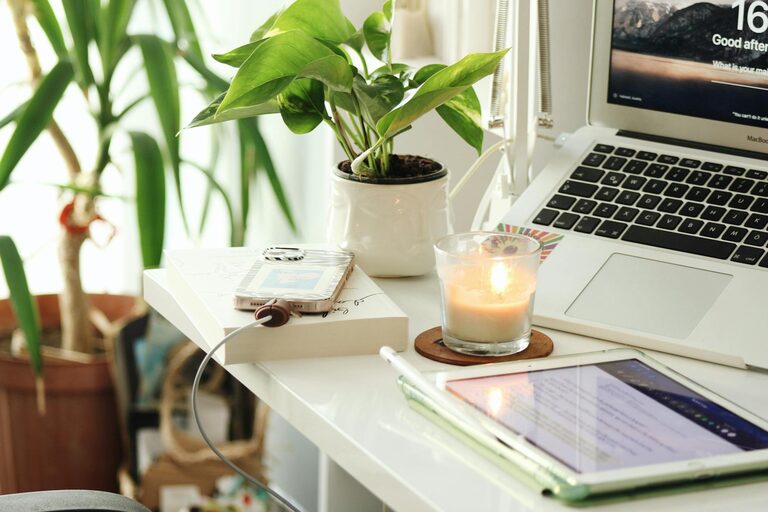
Creating a cozy and productive home office is essential for anyone who spends significant time working from home. A well-designed workspace can improve focus, reduce stress, and make your workday more enjoyable. Whether you have a dedicated room or a small corner in your living area, these tips will help you set up an environment that fosters comfort and efficiency.
1. Choose the Right Location
Selecting the ideal spot for your home office is the foundation of a productive space. Here are some factors to consider:
– Natural Light: Try to position your desk near a window to take advantage of natural light. Sunlight helps improve mood and energy levels throughout the day.
– Quiet Area: Pick a location away from noisy appliances, household traffic, and distractions.
– Adequate Space: Ensure there is enough room for your desk, chair, and any other equipment or storage you need.
If you don’t have a dedicated room, a quiet nook or a well-organized corner can work just as well.
2. Invest in Comfortable and Functional Furniture
Your furniture plays a critical role in your comfort and productivity:
– Ergonomic Chair: Choose a chair that supports your posture with adjustable height and lumbar support. Sitting comfortably reduces fatigue and prevents back pain.
– Spacious Desk: A desk large enough to hold your computer, documents, and other essentials helps keep things organized and within reach.
– Storage Solutions: Use shelves, drawers, or filing cabinets to keep clutter off your workspace.
Comfort and functionality go hand in hand. Don’t sacrifice one for the other.
3. Optimize Lighting
Good lighting minimizes eye strain and creates a pleasant atmosphere:
– Layered Lighting: Combine natural light with ambient and task lighting. For example, use a desk lamp for focused work and overhead lights for general illumination.
– Adjustable Lamps: Consider lamps with adjustable brightness or color temperature to suit different times of day and tasks.
– Avoid Glare: Position your monitor and light sources to reduce glare on your screen.
Proper lighting helps you stay alert and reduces headaches.
4. Personalize Your Space
Adding personal touches makes your office feel inviting and inspiring:
– Decor: Hang artwork, photos, or inspirational quotes that motivate you.
– Plants: Indoor plants can enhance air quality and add a calming touch.
– Colors: Choose a color scheme that suits your style. Soft, neutral tones promote calmness, while bright colors can boost creativity.
Personalization doesn’t mean clutter. Keep it simple and meaningful.
5. Organize for Efficiency
An organized workspace saves time and clears your mind:
– Declutter Regularly: Keep only what you need on your desk. Use organizers for pens, papers, and gadgets.
– Cable Management: Use clips, sleeves, or boxes to keep cords tidy and out of the way.
– Digital Organization: Maintain your digital files and emails with clear folders and labels to avoid frustration.
An orderly environment helps you focus on your work instead of searching for things.
6. Set Boundaries and Routine
Separating work from home life is crucial:
– Work Hours: Designate specific work hours to create a routine and avoid burnout.
– Physical Boundaries: Close the door or use room dividers if possible to signal when you are working.
– Break Spots: Step away from your desk during breaks. Having a separate spot for rest helps your brain recharge.
Boundaries help improve productivity and maintain a healthy work-life balance.
7. Use Technology Wisely
Leverage technology to enhance your workflow:
– Reliable Equipment: Invest in a good computer, high-speed internet, and quality peripherals like keyboards and headphones.
– Apps and Tools: Use productivity apps for task management, note-taking, and communication.
– Minimize Distractions: Turn off non-work notifications and use focus modes during deep work sessions.
Technology should make your work easier, not more complicated.
8. Add Comfort Elements
Comfort items keep you motivated and relaxed during work:
– Temperature Control: Adjust heating or cooling to suit your comfort level.
– Soft Textiles: Use cushions, a cozy rug, or curtains to soften the space.
– Refreshments: Keep a water bottle or healthy snacks nearby for quick energy boosts.
Feeling physically comfortable supports better focus and mood.
—
Final Thoughts
Creating a cozy and productive home office is about balance. Combine functionality with comfort, personalize your environment, and establish routines that work for you. With these practical tips, your home office can become a place where you enjoy spending time and accomplish your goals efficiently. Remember, the best workspace is one tailored to your needs and preferences.
Take the time to design a space that works for you—your productivity and well-being will thank you!