
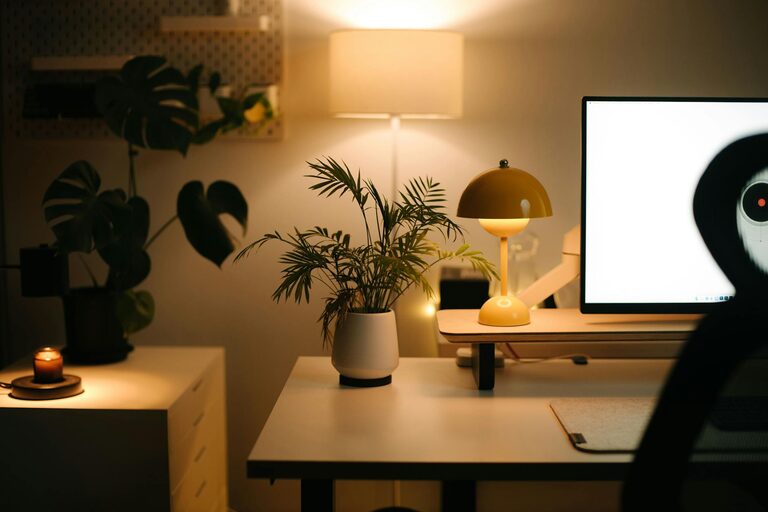
Creating a cozy and functional home workspace is essential for anyone working or studying from home. A well-designed workspace can improve focus, creativity, and comfort, helping you get through your daily tasks with ease. Whether you have a dedicated room or just a small nook, these tips will help you design an inspiring and efficient workspace tailored to your needs.
Define Your Workspace
Before diving into decoration or organization, it’s important to choose where your workspace will be. Consider the following:
– Location: Pick a spot with natural light if possible, as it reduces eye strain and boosts mood.
– Privacy: Choose a quiet area that minimizes distractions from family members, pets, or noise.
– Space: Even a small corner can work if you arrange your furniture thoughtfully.
By clearly defining your workspace, you set the stage for comfort and focus.
Choose the Right Furniture
Furniture is key to making your workspace both cozy and functional. Here are some important pieces:
Desk
– Opt for a desk that fits your space but also provides enough surface area for your computer, notebooks, and other essentials.
– Consider adjustable or standing desks if you want to alternate between sitting and standing.
Chair
– Invest in an ergonomic chair with good back support to maintain proper posture.
– If space is limited, a stylish yet comfortable chair can still do the trick as long as it supports your back.
Storage
– Use shelves, filing cabinets, or drawer units to keep supplies and documents organized.
– Wall-mounted shelves save floor space and keep important items within reach.
Enhance Lighting
Proper lighting plays a major role in your workspace comfort and productivity.
– Natural Light: Position your desk near a window to take advantage of daylight.
– Task Lighting: Use a desk lamp with adjustable brightness to reduce eye strain when working during darker hours.
– Ambient Lighting: Soft overhead lighting helps balance the room and creates a cozy atmosphere.
Consider smart bulbs or dimmers, which allow you to customize lighting based on your needs and time of day.
Organize Efficiently
A cluttered workspace can distract you and reduce efficiency. Use these tips to keep your area tidy and organized:
– Declutter Regularly: Remove unnecessary items on a weekly basis.
– Use Organizers: Desk trays, pen holders, and cable management tools keep your workspace neat.
– Digital Organization: Keep your computer files well-organized to complement your physical space.
An organized workspace helps reduce stress and fosters a clear mind.
Add Personal Touches
Your workspace should feel welcoming and inspiring. Adding personal touches helps create a cozy environment without sacrificing functionality.
– Plants: Small indoor plants improve air quality and add a touch of nature.
– Artwork: Hang pictures or motivational quotes that make you happy.
– Textiles: Add a soft rug or cushions for warmth and texture.
– Color: Choose calming colors like blues or greens, or use bright accents to boost energy.
These elements make you look forward to spending time at your desk.
Manage Technology Wisely
Technology is central to most home workspaces, but managing it well is important for comfort:
– Ergonomic Accessories: Use a separate keyboard and mouse, and raise your monitor to eye level.
– Cable Management: Use clips or sleeves to keep cords organized and out of your way.
– Reliable Equipment: Invest in a good-quality headset, webcam, or printer as needed.
Properly managing your technology helps prevent discomfort and interruptions.
Maintain Healthy Habits
Your workspace should encourage good health and productivity.
– Take Breaks: Step away regularly to stretch or move around.
– Stay Hydrated: Keep a water bottle nearby.
– Exercise: Incorporate light exercises or yoga into your day.
– Posture: Use reminders or apps to maintain good posture.
Healthy habits paired with a functional workspace contribute to overall well-being.
Keep It Flexible
Your needs might change over time, so aim to create a flexible workspace.
– Use modular furniture that can be rearranged easily.
– Keep storage systems adaptable.
– Be open to reorganizing your space seasonally or as your work evolves.
Flexibility helps your workspace stay effective and enjoyable in the long term.
—
By applying these tips, you can design a home workspace that balances warmth and practicality. A cozy and organized environment not only supports your productivity but also makes working from home a more pleasant experience. Start small, personalize your space, and adjust as you go—comfort and functionality are well within reach!