
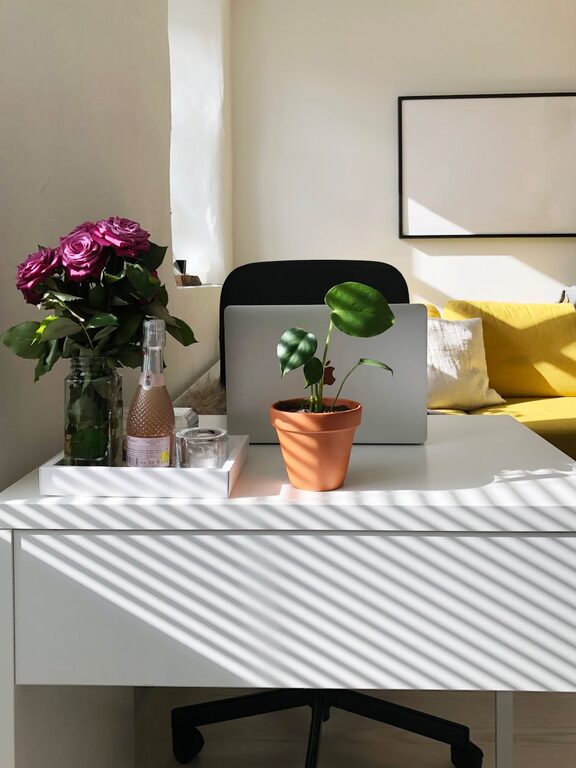
Creating a relaxing home workspace is essential for anyone who wants to stay productive and maintain well-being while working remotely or studying at home. The right environment helps reduce stress, improve focus, and make your workday more enjoyable. Whether you have a dedicated room or a small corner, you can design a space that suits your needs and keeps you motivated.
In this post, we’ll explore practical tips to create a calming and effective home workspace. These ideas cover everything from your desk setup to lighting and personal touches. Let’s dive in!
Why a Relaxing Workspace Matters
Working from home often blurs the lines between personal and professional life. A space that feels chaotic or uncomfortable can lead to distractions, stress, and lower productivity. By creating a relaxing workspace, you establish a clear boundary for work and rest, helping your mind switch into “focus mode.”
Key benefits include:
– Better concentration
– Reduced stress and anxiety
– Increased motivation and energy
– Improved posture and comfort
With these benefits in mind, here’s how to design your ideal home office.
Choose a Suitable Location
Where you set up your home workspace makes a big difference. Ideally:
– Pick a quiet spot with minimal interruptions. Avoid high-traffic areas like the kitchen if possible.
– Consider natural light. Position your desk near a window to benefit from daylight, which can boost mood and focus.
– Check for good ventilation to keep the air fresh and comfortable.
If space is limited, use room dividers or screens to visually separate your work area.
Invest in Comfortable and Functional Furniture
Your furniture choices affect your comfort and health during long work sessions. Focus on:
– Ergonomic chair: Look for adjustable height, good back support, and comfortable cushioning to support good posture.
– Desk height: Your desk should allow your elbows to rest at about a 90-degree angle when typing. Consider a sit-stand desk for variety.
– Desk size: Enough surface area is important to hold your computer, notes, and other tools without feeling cramped.
Add a small footrest if your feet don’t comfortably reach the floor.
Enhance Lighting for Reduced Eye Strain
Good lighting reduces fatigue and improves focus. Here’s how to get it right:
– Use natural light as much as possible, but avoid harsh glare on screens.
– Include task lighting, such as a desk lamp with adjustable brightness, to illuminate your work clearly.
– Choose warm, soft lighting over harsh fluorescent bulbs to create a calming atmosphere.
Consider smart bulbs with adjustable color temperature that can be tuned throughout the day.
Keep Your Workspace Organized
Clutter can create distractions and make your workspace feel stressful. Maintain an organized environment by:
– Using storage solutions like shelves, drawers, or desk organizers for supplies.
– Keeping only essentials on your desk to reduce visual clutter.
– Regularly decluttering to remove unnecessary items and papers.
– Using cable management tools to tidy up wires and chargers.
A neat space allows your mind to focus more easily.
Add Personal Touches for Comfort
Personalizing your workspace can make it feel welcoming and inspiring. Some ideas include:
– Adding plants which improve air quality and provide a relaxing natural element.
– Displaying photos or artwork that motivate or comfort you.
– Incorporating your favorite colors in accessories, whether calming blues or energizing yellows.
– Using a comfortable cushion or throw for additional coziness.
Just be careful not to overcrowd the space with too many decorations.
Minimize Noise and Distractions
Noise can be a big barrier to productivity. To keep distractions at bay:
– Use noise-canceling headphones or play soft background music.
– Close doors or windows when possible and communicate your work hours to household members.
– Use soft rugs and curtains to absorb sound and reduce echoes.
Creating a quiet zone is key for deep focus.
Establish a Routine and Boundaries
Even the best workspace won’t help if you’re not consistent. Build routines and healthy habits by:
– Setting regular work hours and breaks to keep energy levels steady.
– Starting and ending your day with a familiar ritual, like making coffee or tidying your desk.
– Avoiding using your workspace for non-work activities to strengthen mental separation.
Clear boundaries help your mind associate the space with focus and relaxation.
Incorporate Movement and Breaks
Staying in one position too long can cause tiredness and discomfort. Encourage movement by:
– Taking short breaks every hour to stretch or walk around.
– Using a sit-stand desk to alternate between sitting and standing.
– Doing simple desk exercises to relieve tension.
These habits refresh your body and boost productivity.
—
Final Thoughts
Creating a relaxing home workspace is a simple yet powerful way to improve your productivity and well-being. By selecting the right location, investing in comfortable furniture, managing lighting and noise, and personalizing your space, you can build an environment where focus and calm coexist.
Remember, your workspace should support your unique work style and needs. Experiment and adjust what works best for you. A comfortable, organized, and peaceful home office will make your workdays smoother and more enjoyable.
Take the time to design your perfect workspace today—it’s an investment in your success and happiness!