
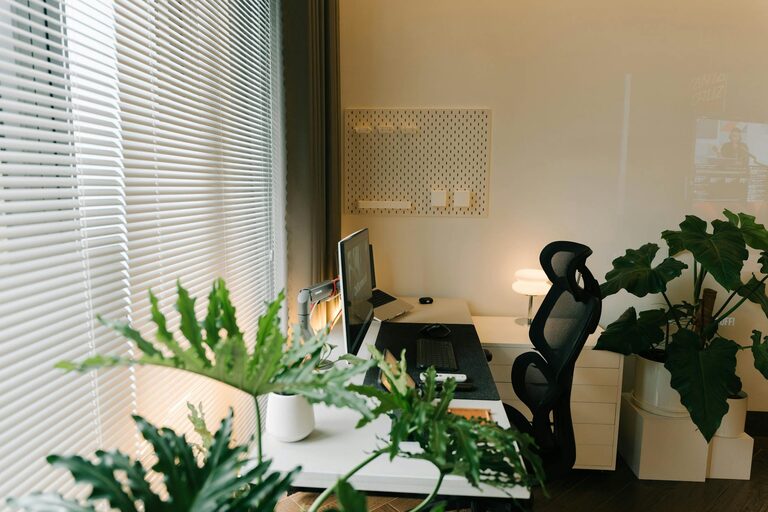
Creating a home office that is both cozy and productive can significantly enhance your work-from-home experience. Whether you’re working full-time remotely, freelancing, or just need a dedicated space to tackle personal projects, setting up an environment that nurtures focus and comfort is essential. In this post, we’ll explore practical tips and ideas to help you design a home office that feels inviting and keeps you motivated throughout the day.
Why a Cozy and Productive Home Office Matters
Working from home offers great flexibility, but it can also present challenges in staying focused and organized. A workspace that combines coziness with functionality encourages both comfort and efficiency. When you feel relaxed in your space, stress reduces, and creativity flows more easily. At the same time, a well-organized setup minimizes distractions and streamlines your workflow.
Choose the Right Location
Consider Natural Light
If possible, place your home office near a window. Natural light not only helps reduce eye strain but also improves mood and energy levels. Position your desk so you get plenty of daylight without glare on your computer screen.
Minimize Noise Distractions
Look for a quiet area in your home where interruptions are minimal. This could be a spare room, a corner of the living room, or a nook in a less trafficked hallway. If noise is unavoidable, consider noise-canceling headphones or a white noise machine to maintain focus.
Invest in Comfortable and Functional Furniture
Get a Supportive Chair
A comfortable chair with good lumbar support is one of the best investments for your home office. Sitting for long periods can strain your back, so choose a chair that encourages good posture and reduces fatigue.
Choose the Right Desk
Your desk should offer enough surface area to accommodate your computer, accessories, and any paperwork you need. Consider adjustable desks that allow you to alternate between sitting and standing, which can improve comfort and health.
Personalize Your Workspace
Add Soft Textiles
Incorporate cushions, throws, or a small rug to add warmth and texture to your office. These items make the space feel inviting without sacrificing professionalism.
Use Plants to Freshen the Air
Greenery brightens up any room and adds a touch of nature. Small potted plants like succulents or spider plants are easy to care for and can boost your mood.
Display Inspiring Items
Surround yourself with items that motivate you, such as artwork, photos, or quotes. Just be sure not to overcrowd the space, which can cause visual clutter.
Organize Efficiently
Use Storage Solutions
Declutter your desk by incorporating shelves, drawers, or filing cabinets. Keeping your office supplies and documents organized prevents distractions and saves time when you need to find something.
Cable Management
Keep cords and cables tidy with clips, sleeves, or cable organizers. A neat workspace looks cleaner and reduces frustration from tangled wires.
Plan Your Layout for Workflow
Arrange your most-used items within easy reach. Position your computer, phone, and notepad so you can access them quickly, helping to maintain momentum during work sessions.
Control Lighting for Comfort and Focus
Mix Ambient and Task Lighting
Good lighting supports productivity while reducing eye strain. Use a combination of overhead ambient light and focused task lighting, such as a desk lamp, to create balanced illumination.
Adjust Brightness and Color Temperature
If possible, use bulbs that mimic natural light with adjustable brightness levels. Cooler white light can help keep you alert during the day, while warmer light may reduce eye strain in the evening.
Establish a Daily Routine and Boundaries
Set Working Hours
Define your work hours and stick to them. Having a clear start and end time helps maintain work-life balance and trains your brain to focus when it’s time to work.
Take Breaks
Incorporate short breaks into your day to stretch, walk around, or rest your eyes. These pauses can enhance creativity and prevent burnout.
Keep Work and Home Separate
When your day ends, physically leave your workspace if possible. This separation makes it easier to mentally switch off from work.
Final Thoughts
Designing a cozy and productive home office is about blending comfort with efficiency. By choosing the right location, investing in quality furniture, personalizing the space, staying organized, managing lighting, and establishing clear routines, you can create a workspace that supports your best work while feeling like a welcoming retreat. Start small, and gradually adjust your office until it suits your needs perfectly. Your ideal home office is within reach!